
How Can Home Care Help Prevent Falls at Home?
Learn how home care can help prevent falls at home through safer routines, mobility support, bathroom safety, medication reminders, companionship, and daily monitoring for older adults in Nassau and Suffolk County.
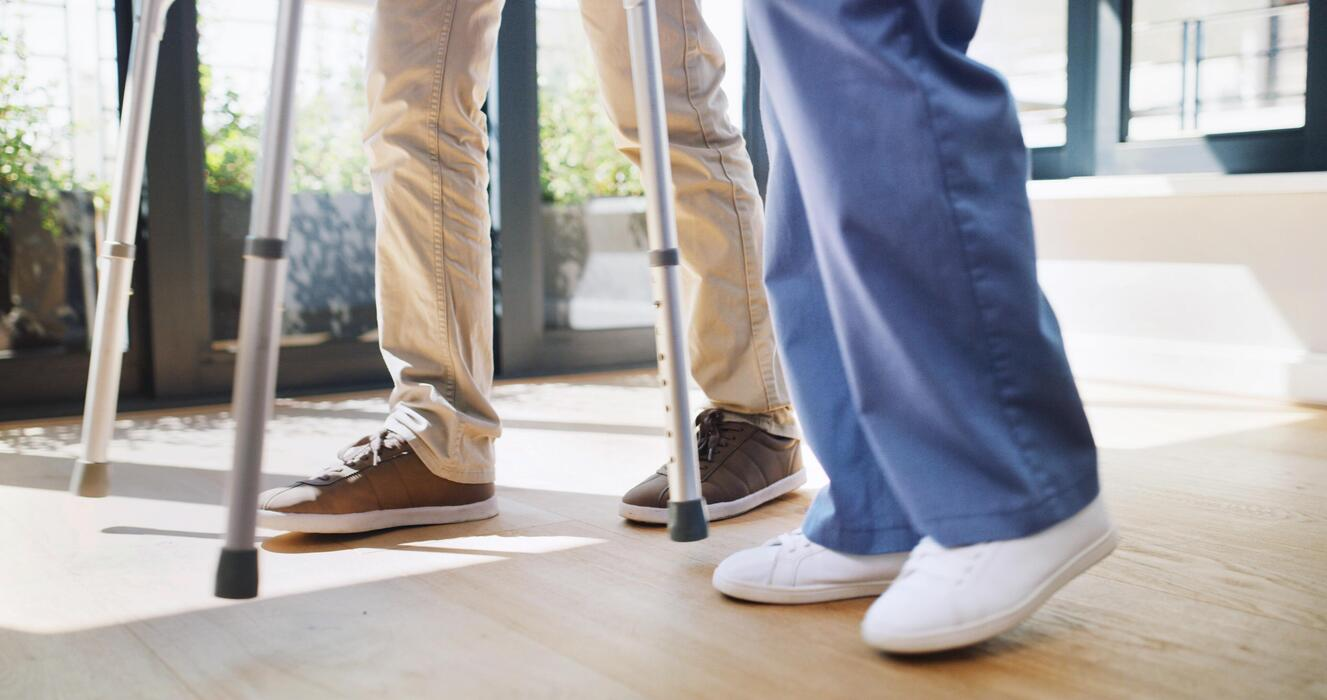
Quick Answer: “Home care can help prevent falls by making daily routines safer, reducing clutter and hazards, supporting mobility and transfers, helping with bathing and dressing, encouraging hydration and meals, providing medication reminders, and monitoring changes in strength, balance, or confidence. It works best when support is focused on the riskiest parts of the day.”
Falls do not usually happen because of one big problem. They often happen because small risks build up: poor lighting, rushing to the bathroom, skipped meals, dizziness, loose rugs, weak legs, or trying to do too much alone.
For many families, fall prevention starts when they realize an aging parent or loved one is still independent in many ways, but not as steady as before. The goal is not to take over their life. The goal is to make the home and daily routine safer so they can stay comfortable and confident.
If your family is worried about balance, bathroom safety, mobility, or supervision, in-home care services in Nassau and Suffolk County can support safer routines at home through personal care, mobility help, safety monitoring, meal support, medication reminders, and companionship.
Why Do Falls Happen at Home?
Falls often happen at home because familiar routines become riskier as strength, balance, vision, medication routines, or reaction time change. A hallway that used to feel safe may become difficult at night. A bathtub that used to be easy to step into may now feel unsafe.
The home does not need to be dangerous for a fall to happen. It only needs one bad combination: fatigue, poor lighting, clutter, slippery flooring, or rushing.
Common fall risk factors families notice
- Trouble standing from a chair
- Holding furniture while walking
- Near-falls or small stumbles
- Fear of bathing or using stairs
- Dizziness when standing
- Cluttered pathways
- Poor lighting at night
- Missed meals or dehydration
- Medication confusion
- Weakness after illness or hospitalization
When these signs repeat, it is time to look at the routine and the home environment together.
How Can Home Care Reduce Fall Risk Day to Day?
Home care can reduce fall risk by supporting the moments when falls are most likely to happen. That often includes mornings, bathing routines, bathroom trips, transfers, meals, and evenings when fatigue increases.
Home care may help by supporting
- Safer walking through the home
- Getting in and out of bed or chairs
- Bathing, grooming, and dressing routines
- Meal preparation and hydration reminders
- Medication reminders
- Light housekeeping and clutter reduction
- Companionship and supervision
- Escort support for appointments or outings
The strongest fall-prevention plans are practical. They focus on what actually happens in the home, not just a generic checklist.
Which Rooms Need the Most Attention?
The highest-risk rooms are usually the bathroom, bedroom, kitchen, stairs, and main walking paths. These are the places where people move frequently, often while tired, distracted, or in a hurry.
A room-by-room review helps families find simple fixes that can reduce risk quickly.
Area of the home
Common fall risks
Helpful safety changes
Bathroom
Slippery floors, low toilet, stepping into the tub, rushing
Non-slip mats, grab bars, a shower chair, and better lighting
Bedroom
Getting up at night, low bed, clutter near bed
Night lights, clear path, stable footwear, essentials within reach
Kitchen
Reaching high shelves, spills, and carrying too much
Keep common items waist-high, clean spills quickly, and avoid step stools
Hallways
Cords, shoes, rugs, and poor lighting
Clear walkways, secure rugs, and add night lights
Stairs
Weakness: no handrail, carrying items
Use handrails, improve lighting, and avoid carrying too much
Living room
Low chairs, coffee tables, clutter
Stable seating, clear paths, and removal of trip hazards
The goal is not to redesign the whole home in one day. Start with the places where your loved one walks most.
Bathroom Safety: Why This Room Matters Most
Bathrooms are one of the most common places families worry about because the risks are obvious: water, slippery floors, tight spaces, and transfers.
A person may avoid bathing because they are embarrassed to ask for help or afraid of falling. That can lead to hygiene problems, discomfort, and more family stress.
Bathroom fall-prevention steps
- Use Non-slip mats inside and outside the shower
- Keep Towels, soap, and clothing within easy reach
- Improve Lighting, especially for nighttime bathroom trips
- Consider Grab bars near the toilet and shower
- Avoid rushing during bathing or toileting routines
- Use Support when getting in and out of the shower
In-home support can help make bathing and grooming feel safer, calmer, and more consistent.
Why Meals, Hydration, and Medications Matter for Fall Prevention
Fall prevention is not only about floors and furniture. The body has to be supported too.
A person who skips meals, drinks too little water, or takes medications inconsistently may feel dizzy, weak, or confused. That can increase fall risk, especially when standing or walking.
Daily routine risks that can affect balance
- Not eating enough
- Dehydration
- Medication timing mistakes
- Fatigue
- Poor sleep
- Dizziness or weakness
- Rushing because the day feels disorganized
Home care can help stabilize the daily rhythm. Meals happen more consistently. Hydration is encouraged. Medication reminders happen on schedule. Someone notices when the person seems off routine.
If your family is unsure what level of support fits the situation, this guide on personal care aide vs home health aide support explains how different in-home care roles can help with daily safety, supervision, mobility, and personal care.
How Mobility and Transfers Affect Fall Risk
Many falls happen during transitions, not during long walks. Getting up from a chair, stepping out of bed, moving from the toilet to standing, or entering the shower can be the riskiest parts of the day.
Transfers can become harder when someone has
- Weak legs
- Poor balance
- Pain
- Fatigue
- Fear of falling
- Trouble following multi-step movements
- Recent illness or hospital stay
Support during transfers can reduce risk and build confidence. It also helps families avoid unsafe lifting or rushing, which can put both the loved one and caregiver at risk.
What Are the Warning Signs That More Support Is Needed?
Families should consider more support when falls, near-falls, fear, or daily routine struggles become regular. Waiting until after a major fall can make recovery harder and more stressful.
Warning signs to take seriously
- A recent fall, even if there was no injury
- Frequent near-falls or grabbing furniture
- Avoiding bathing or stairs
- New fear of walking alone
- Unexplained bruises
- Missed meals or dehydration
- Medication confusion
- Increased weakness or fatigue
- Family members feel nervous leaving them alone
One fall is enough to review the home and routine. Repeated near-falls are also a clear sign that support may be needed.
How Families Can Start a Fall-Prevention Plan This Week
Start small. The best first step is to focus on the highest-risk areas and the hardest part of the day.
Step 1: Walk through the home slowly
Look at the home from your loved one’s perspective.
- Are pathways clear?
- Are the lights easy to reach?
- Are rugs secure?
- Are frequently used items easy to access?
- Is the bathroom safe at night?
Step 2: Review the daily routine
Ask where falls are most likely.
- Getting out of bed
- Bathing
- Toileting
- Walking to the kitchen
- Stairs
- Evening fatigue
- Going to appointments
Step 3: Add support where the risk is highest
A few hours of support at the right time may help more than a larger schedule placed at the wrong time. Morning care, evening support, or bathing assistance can make a major difference.
Home Care vs Family Help: What Is the Difference?
Family help is valuable, but professional home care can add consistency, structure, and backup. Many families are doing their best, but cannot safely cover every risky moment.
Family support
Home care support
Often based on availability
Scheduled around high-risk times
May be inconsistent due to work or family demands
Provides routine support and monitoring
Can become emotionally stressful
Adds outside support to reduce caregiver strain
May focus on urgent needs
Can support prevention and daily structure
Family may not notice gradual changes
A caregiver can help observe and report changes
The best plan often includes both: family involvement plus reliable support during the moments when risk is highest.
Practical Fall-Prevention Tips Families Can Use
Small changes can reduce risk quickly.
Start with these safety steps
- Remove Loose rugs or secure them properly
- Keep Walkways clear of cords, shoes, and clutter
- Add Night lights in bedrooms, hallways, and bathrooms
- Keep frequently used items within easy reach
- Encourage Supportive, non-slip footwear
- Clean Spills right away
- Avoid Step stools when possible
- Keep A phone or alert device nearby
- Encourage Slow standing after sitting or lying down
These steps do not replace care, but they create a safer baseline.
Questions Families Ask About Fall Prevention at Home
Can home care really prevent every fall?
No service can guarantee that a fall will never happen. Home care can reduce risk by supporting safer routines, improving supervision, helping with mobility, and noticing changes early.
What room should we fix first?
Start with the bathroom and the path from the bedroom to the bathroom. Nighttime bathroom trips are a common risk because people are tired, moving quickly, and often dealing with low lighting.
What if my parent refuses to use a walker or ask for help?
Try focusing on independence rather than fear. You might say, “This support can help you stay safer at home,” instead of “You can’t walk alone anymore.” Small changes are often easier to accept.
Is a near-fall a serious warning sign?
Yes. A near-fall means the risk is already present, even if no injury happened. It is a good time to review safety, mobility, and support before a more serious fall occurs.
Does fall prevention only matter for seniors?
No. Fall prevention can also matter for adults recovering from illness, injury, surgery, neurological changes, or hospitalization. The right support depends on strength, balance, mobility, and daily routine.
When should we consider more help at home?
Consider more support when falls, near-falls, weakness, fear of bathing, medication confusion, or caregiver stress become regular concerns. The earlier you address risk, the easier it is to prevent a crisis.
Make Home Safer Before a Fall Forces the Decision
Fall prevention is not about limiting someone’s life. It is about making daily life safer so your loved one can stay at home with more confidence and less risk.
If your family is worried about falls, mobility, bathing safety, or leaving a loved one alone in Nassau or Suffolk County, reach out to RES Home Care to talk through home care options that can support a safer routine.


.svg)